
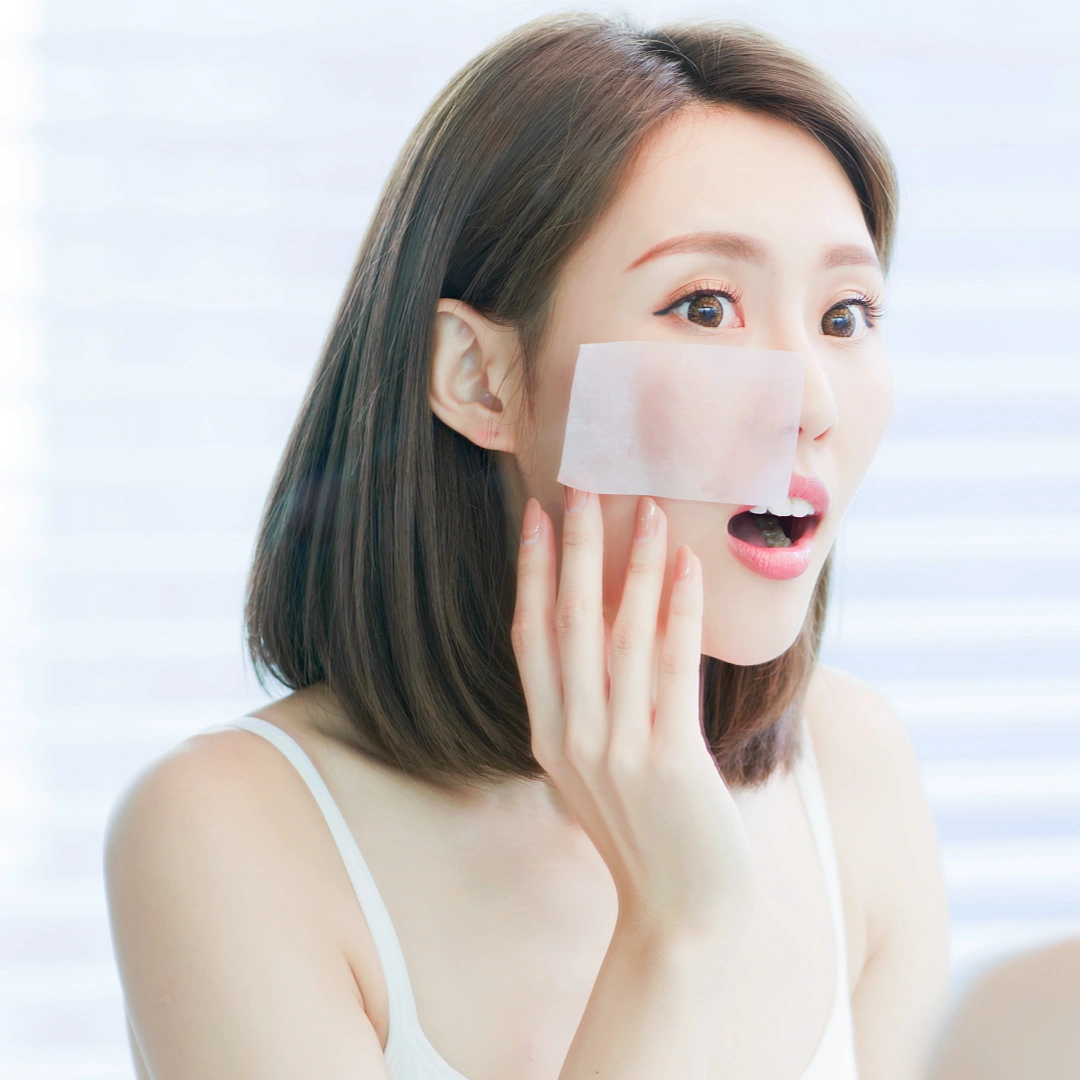
What are clogged pores and oily skin?
Our skin has sebaceous glands that produce oil (sebum) to maintain hydration and moisture. Sometimes, these glands overproduce oil, leading to clogged pores and oily skin. When you have oily skin, you are more likely to get clogged pores because the extra oil mixes with dead skin cells and bacteria. Clogged pores are when dirt, oil, and dead skin cells become trapped in the small openings in your skin. This can make your pores look bigger and cause blackheads, whiteheads, or pimples.
Clogged pores can cause premature ageing because when pores are clogged, they can lead to the formation of blackheads, whiteheads, and acne breakouts. These can cause inflammation and irritation, leading to the breakdown of collagen and elastin fibres. Collagen and elastin are proteins that help maintain the skin’s firmness and elasticity. When the skin becomes damaged, it can result in wrinkles, fine lines, and saggy skin, which are signs of ageing skin and poor skin health.
What causes clogged pores and oily skin?
As mentioned, clogged pores and oily skin are often caused by excessive oil production. This can be caused by a variety of factors, including:
- Overproduction of sebum: when sebaceous glands become overactive, they may produce excessive amounts of sebum, clogging pores.
- Accumulation of dead skin cells: when dead skin cells mix with excess sebum, they can form a plug that blocks the pore.
- Bacterial proliferation: bacteria are naturally present on the skin. However, they tend to proliferate in clogged pores, leading to oily skin, inflammation, and acne breakouts.
- Cosmetics and skincare products: some cosmetics and skincare products contain ingredients that can clog pores, particularly if they are comedogenic or pore-clogging. These products can exacerbate pore congestion.
- Poor skincare habits: inadequate cleansing and exfoliation can result in the buildup of oil, dead skin cells, and debris on the skin’s surface, leading to clogged pores. Failure to remove makeup, sunscreen, and other impurities from the skin can also contribute to pore congestion over time.
What are the signs of clogged pores and oily skin?
The symptoms of clogged pores and oily skin include:
- Excessive oil buildup: oily skin looks shiny or greasy, especially in the T-zone area (forehead, nose, and chin).
- Enlarged pores: oily skin often goes hand-in-hand with enlarged pores, especially on the facial areas.
- Blackheads and whiteheads: clogged pores can cause blackheads (open comedones) and whiteheads (closed comedones).
- Acne breakouts: clogged pores can lead to the development of acne, including pimples, papules, pustules, and cysts.
- Uneven skin texture: oily skin and clogged pores can cause an uneven and bumpy skin texture.
- Dull or shiny complexion: oily skin can give the complexion a dull or greasy appearance and cause it to look tired and lacklustre, lacking a healthy glow.
- Skin irritation or sensitivity: clogged pores and excess oil production can lead to skin irritation, redness, or sensitivity.

Who is at risk of clogged pores and oily skin in Singapore?
In Singapore, there are several risk factors that can make people more likely to have clogged pores and oily skin. They include:
- Family history: genetics significantly determines skin type and susceptibility to oily skin and clogged pores.
- Hormonal fluctuations: hormonal changes can influence sebaceous gland activity and contribute to oily skin. Fluctuating hormone levels can lead to increased sebum production and exacerbate oily skin, particularly in women and teenagers.
- Cosmetic and skincare product usage: certain cosmetics and skincare products contain ingredients that can clog pores and exacerbate oily skin. Using comedogenic or pore-clogging products, failing to remove makeup properly, or overusing skincare products can contribute to pore congestion and oiliness.
- Environmental factors: environmental factors such as humidity, pollution, and exposure to UV radiation can affect sebum production and contribute to oily skin. High humidity levels can exacerbate oiliness by increasing sweat production and pore congestion.
- Stress: chronic stress can trigger hormonal fluctuations and stimulate the release of cortisol, a stress hormone that can increase sebum production, leading to oily skin and clogged pores.
- Poor skincare habits: inadequate cleansing, exfoliation, and skincare routine can lead to the buildup of oil, dead skin cells, and impurities on the skin’s surface, contributing to clogged pores and oily skin.
What are the treatment options for clogged pores and oily skin in Singapore?
There are several treatment options for clogged pores and oily skin in Singapore, ranging from skincare products to lifestyle changes. At OneFace Clinical Skincare, our treatments focus on therapeutic care along with skincare products that our team has specially formulated. These include:
- Acne Care: our Acne Care program focuses on professional deep cleansing of the skin to remove daily accumulated impurities and extractions of stubborn clogged pores. This helps to control acne outbreaks in the long run and treat oily skin.
Make an appointment with OneFace Clinical Skincare today to learn more about our care programs.

Frequently asked questions
Clogged pores may not go away on their own in individuals who produce excessive oil. Treatment, including a skincare routine that helps with clogged pores and excessive oil buildup, may be needed.
Signs that your pores are clogged are oily skin, acne, whiteheads, blackheads, or an overall dullness to your skin’s complexion.
Glycolic acid, salicylic acid, hyaluronic acid, retinol, and niacinamide are the best skincare ingredients for treating clogged pores and oily skin.